

Perfumes
Profumi Lunga Durata Estate 2026: i Migliori da Avere
Scopri i migliori profumi lunga durata per l'estate 2026: note olfattive, sillage e consigli da Naso Esperto. Acquista su Tre Pi Profumerie.
Learn moreProfumi Unisex Estate 2026: Le Tendenze Olfattive del Futuro
Scopri i profumi unisex estate 2026: fragranze sostenibili, note marine e tecnologie innovative. Guida completa alle tendenze olfattive del futuro.
Learn moreProfumi Durevoli Caldo Estate: Le Migliori Fragranze 2024
Scopri i migliori profumi durevoli per il caldo estivo. Fragranze fresche e persistenti che resistono alle alte temperature. Guida esperta 2024.
Learn moreProfumi Uomo Estate 2026: Tendenze e Fragranze Irresistibili
Scopri i profumi uomo estate 2026 più trendy: note marine, agrumi e fragranze fresche. Guida completa alle nuove uscite e ai best seller estivi.
Learn moreProfumi Uomo Estate 2026: Tendenze e Fragranze Fresche
Scopri i migliori profumi uomo estate 2026: fragranze fresche, marine e agrumate. Guida completa alle tendenze olfattive della stagione.
Learn moreProfumi Uomo Estate 2026: Le Fragranze Fresche del Futuro
Scopri i migliori profumi uomo estate 2026: fragranze fresche, marine e agrumate per la stagione calda. Guida alle tendenze olfattive.
Learn more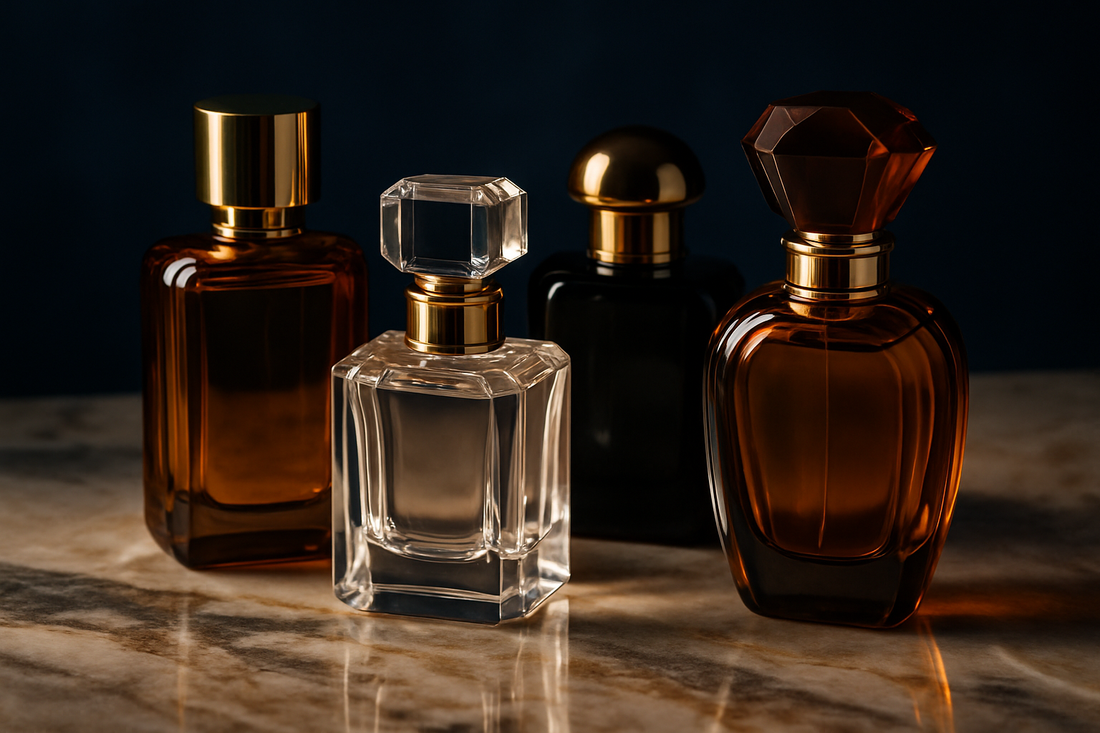
Niche Perfumes: What They Are and Why You Should Try Them
In the vast universe of fragrances, there is a segment that stands out for its exclusivity, its artistry, and its ability to tell unique stories: niche perfumes . Far from the logic of mass marketing, these olfactory creations represent a true artistic expression, designed for those seeking something more than a simple scent: an identity, an emotion, a profound sensory experience. What are Niche Perfumes? Niche perfumes, or artistic perfumes, are fragrances produced in limited quantities by independent perfume houses or master perfumers who prioritize quality ingredients, original compositions, and creative freedom over commercial trends. Unlike commercial perfumes, which are often created to appeal to a wide audience and generate high sales volumes, niche perfumes appeal to connoisseurs and enthusiasts, offering bold, complex, and often unconventional compositions. Their distinguishing features include: • Rare and Precious Ingredients: Raw materials of the highest quality are used, often rare or extracted using artisanal methods, which give the fragrance exceptional depth and persistence. • Unlimited Creativity: Perfumers have complete freedom of expression, experimenting with innovative olfactory combinations and challenging conventions. This leads to unique and often surprising creations. • Artisanal Production: Production is often small-scale, with meticulous attention to detail at every stage, from ingredient selection to packaging. • Stories and Concepts: Each niche perfume is often linked to a concept, a story, a place or an emotion, making the olfactory experience even richer and more personal. Why Choose a Niche Perfume? Opting for a niche perfume means making a conscious choice, one that goes beyond the simple desire to smell good. Here are some reasons why you might fall in love with these fragrances: 1. Uniqueness and Originality: If you don't like wearing the same perfume as everyone else, niche fragrances offer you the opportunity to stand out. You'll find compositions you'd rarely smell on anyone else, allowing you to express your individuality. 2. Superior Quality: The use of premium ingredients and attention to detail result in perfumes with greater depth, complexity, and often, longer lasting on the skin. 3. Sensory Experience: Every niche fragrance is an olfactory journey. The notes evolve on the skin in a more complex way, revealing unexpected nuances and creating a dynamic and engaging experience. 4. Support Craftsmanship: By purchasing a niche perfume, you support the art of perfumery and the master perfumers who dedicate their passion and talent to creating olfactory works of art. 5. Emotional Connection: Many niche perfumes are created to evoke specific memories, places, or moods. This can create a deeper, more personal connection with the fragrance. How to Choose Your Ideal Niche Perfume Choosing a niche perfume is a personal journey. We recommend: • Exploring Olfactory Families: Discover which olfactory families (floral, oriental, woody, citrus, chypre, fougère) appeal to you most. • Don't Rush: Niche perfumes evolve on the skin. Test the fragrances on a sample or directly on your skin and let them develop for a few hours before making a decision. • Let Your Instinct Guide You: Choose the perfume that speaks to you, that makes you feel good and that resonates with your personality. • Visit a Specialty Perfumery: Niche perfumeries offer a unique shopping experience, with expert staff ready to guide you in discovering fragrances. At Tre Pì Profumerie, we believe in the beauty of uniqueness and the power of niche fragrances to express who you are. Explore our selection and be enchanted by a world of scents just waiting to be discovered. Discover our collection of Niche Perfumes!
Learn moreThe Fragrance Vocabulary: A Complete Guide to Perfumery Vocabulary for Enthusiasts and Professionals
Discover the Secret Language of Perfumery: The Lexicon That Enhances Fragrances Perfumery is an ancient and fascinating art, where each fragrance tells a unique story, capable of evoking emotions, memories, and profound sensations. However, behind the creation of a perfume lies a complex and nuanced language, which only those with a deep understanding of the world of essences can fully understand. In this blog, we will guide you to discover the lexicon of the Perfumery , a sensory journey through the terms and definitions that give voice to fragrances. Whether you're a perfume enthusiast, an industry professional, or simply curious to learn more about this fascinating world, our glossary will help you better understand olfactory descriptions and choose the perfect perfume for you. Learn to recognize the top, heart and base notes , discover what lies behind terms like sillage, bouquet And persistence , and be fascinated by the variety of accords that make up the most iconic fragrances. Knowing the language of perfumery will not only enrich your vocabulary, but will also allow you to fully appreciate the complexity and beauty of all the perfumes . Enter the world of essences and discover how words can transform a simple scent into an unforgettable sensory experience. Perfumery Lexicon Accord : A harmonious combination of multiple olfactory notes that creates a unique fragrance. Top notes : The first olfactory impressions of a perfume, perceived immediately upon application. Usually fresh and light, they evaporate quickly. Heart notes : The heart of the perfume, which emerges after the top notes fade. These are the notes that give the fragrance its character and last the longest. Base notes : The most persistent notes of a perfume, which emerge several hours after application and give depth and longevity to the fragrance. Essence : The pure aromatic concentrate extracted from a raw material, such as plants or flowers. Absolute : A highly concentrated form of essence obtained through a complex extraction process, often used for the most delicate raw materials. Smell : The sense through which we perceive odors. Bouquet : The complex of olfactory notes of a perfume, perceived as a single entity. Sillage : The trail left by the perfume when a person moves. A perfume with good sillage leaves a lasting impression in the air. Persistence : How long the perfume lasts on the skin. A long-lasting perfume maintains its fragrance for many hours. Distillation : A traditional method of extracting aromatic essences using steam or water. Maceration : An extraction process where raw materials are immersed in a solvent to obtain the essence. Bottle : The bottle that contains the perfume, often designed with particular attention to design. Concentration : The amount of essence contained in a perfume, which determines its intensity and longevity. The main concentrations are: Eau de Cologne : Low concentration (about 2-5% essence). Eau de Toilette : Medium concentration (approximately 5-15% essence). Eau de Parfum : High concentration (approximately 15-20% essence). Fragrance Extract : Very high concentration (about 20-30% essence). Chypre : An olfactory family characterized by notes of musk, bergamot, patchouli, and rose. It is often described as elegant and sophisticated. Fougère : An olfactory family reminiscent of fern fragrances, characterized by fresh, herbaceous and aromatic notes, such as lavender and oak wood. Gourmand : An olfactory family that includes sweet, edible notes such as vanilla, chocolate, and caramel. Oriental : An olfactory family characterized by warm, spicy and resinous notes, such as amber, vanilla, incense and spices. Chypre : A type of fragrance that is based on an accord of rose, oakmoss, patchouli, and bergamot, often associated with a powdery or face-powder sensation. Soliflore : A perfume that evokes the essence of a single type of flower. Texture : The tactile sensation a perfume can evoke, such as silky, creamy, or velvety. Composition : The set of notes that make up a fragrance, from beginning to end. Olfactory pyramid : The schematic representation of the notes of a perfume, divided into three levels: head, heart and base. Green Accord : A set of notes that evoke freshness, often associated with leaves, grass, or aromatic plants. Marine Accord : A set of notes reminiscent of the smell of the sea, often used to create fresh, aquatic fragrances. Woody Accord : A set of notes that recall the smell of wood, often used for warm, robust fragrances. Olfactory family : The classification of fragrances based on the predominant notes and main accords (floral, woody, oriental, fresh, citrus, etc.). Base : The last notes that remain perceptible on the skin, even many hours after applying the perfume. Advanced Perfumery Vocabulary Amber : Fossil resin used in perfumery to create warm and sweet notes. Soul : The central and distinctive character of a fragrance. Anisate : Aroma reminiscent of the scent of anise, sweet and spicy. Balsamic : Warm and sweet notes, often obtained from resins such as benzoin and myrrh. Benzoin : Aromatic resin used for sweet, balsamic and vanilla notes. Bergamot : Citrus fruit used for fresh and sparkling notes. Birch : Wood used for smoky and leathery notes. Boisé : French term for "woody," referring to notes of dry or smoky wood. Bourbon : Bourbon vanilla, a particularly prized variety of vanilla. Bright : Describes a perfume with bright, sparkling notes. Camphoraceous : Fresh and pungent odor, similar to that of camphor. Cinnamon : Warm, sweet spice used for spicy notes. Caramelized : Sweet notes reminiscent of caramel. Citrus : Fresh and acidic notes, typical of citrus fruits such as lemon and orange. Clove : Spice that gives a warm and spicy aroma. Cocooning : An enveloping and reassuring fragrance. Concrete : Solid aromatic extract obtained by maceration or solvent extraction. Floral heart : The central part of the perfume dominated by floral notes. Leathery : Notes reminiscent of the smell of leather, often intense and smoky. Bold : Describes a fragrance with a strong, recognizable presence. Sweet : Sugary and soft notes, often present in gourmand perfumes. Effluvium : The diffusion of perfume into the air. Elemi : Resin used for fresh, spicy and woody notes. Herbaceous : Notes that recall the smell of fresh grass. Citrus : Olfactory family that includes citrus notes such as bergamot, orange and lemon. Exotic : A perfume that evokes distant places, often characterised by spicy and fruity notes. Ethereal : Light and delicate fragrance, almost impalpable. Feminine : A fragrance that expresses delicacy and sensuality, often with floral or sweet notes. Hay : Aroma reminiscent of hay, dry and slightly sweet. Floral : Fragrance dominated by floral notes. Fresh : A light, lively fragrance, often combined with citrus or marine notes. Fruity : Sweet and juicy notes reminiscent of ripe fruit such as peach, apple and strawberry. Jasmine : Exotic flower used for sweet, intense and seductive notes. Garden : Fragrance that evokes the smell of a flower garden. Broom : Mediterranean flower with a sweet, honeyed scent. Gourmand : Fragrance with sweet and edible notes such as vanilla, chocolate and caramel. Hesperidic : Synonym of citrus, with fresh citrus notes. Incense : Notes reminiscent of the smell of incense, often spiritual and smoky. Infusion : Extraction method in which the raw material is immersed in a liquid. Intense : Perfume with a strong presence and long-lasting effect. Iris : Flower with a powdery, slightly earthy scent. Light : Delicate and non-invasive fragrance. Woody : Notes that evoke the smell of wood, such as cedar, sandalwood and pine. Fortified : A fragrance reminiscent of sweet liqueurs such as rum or brandy. Luxurious : A perfume that expresses opulence and refinement. Magnolia : Flower with fresh and slightly citrus notes. Marine : Notes that evoke the sea, fresh and salty. Masculine : Fragrance with typically virile characteristics, often woody or spicy. Mediterranean : A fragrance that recalls the landscapes and aromas of the Mediterranean, such as citrus fruits, olives and rosemary. Honeyed : Sweet, rich aroma, similar to honey. Mint : A fresh, pungent herb, often used for green, lively notes. Honey : Sweet and rich, with a slightly animalic note. Myrrh : Aromatic resin with warm, sweet and slightly spicy notes. Modern : A perfume that reflects current trends, often with bold and innovative combinations. Soft : Fragrance with a delicate, velvety presence. Musk : Warm and slightly animalic note, often used as a fixative. Musky : Aroma that evokes the scent of musk, warm and persistent. Narcissus : Flower with an intense, slightly green floral scent. Neroli : Essential oil extracted from orange blossoms, with a fresh, floral aroma. Notturno : Fragrance that evokes the atmosphere of the night, often sensual and mysterious. Essential oil : Pure aromatic extract obtained from a plant, used as a base for fragrances. Shadowy : A scent that evokes darkness and mystery, often with woody or spicy notes. Opoponax : Resin with sweet, balsamic and slightly amber notes. Orient : Olfactory family characterized by warm, spicy and resinous notes. Osmanthus : Flower with a sweet, fruity, slightly apricot-like scent. Ozonic : Notes that evoke the smell of clean, fresh air, often used in marine fragrances. Patchouli : Aromatic plant with earthy, sweet and slightly spicy notes. Pink pepper : Spice with a slightly spicy and fresh aroma. Long-lasting : Fragrance that lasts a long time on the skin. Petitgrain : Essential oil extracted from the leaves and branches of bitter orange, with a fresh, green scent. Pictorial : A perfume that evokes vivid, colorful images, often inspired by landscapes or works of art. Powdery : Aroma reminiscent of talcum powder or rice powder, delicate and slightly sweet. Grapefruit : Citrus fruit with a fresh, acidic and slightly bitter aroma. Spring : A fragrance that evokes the freshness and vitality of spring, often with floral and green notes. Deep : Fragrance with rich, intense notes that last a long time. Resinous : Notes that recall the scent of tree resins, such as pine and cedar. Rich : Perfume with many olfactory facets, full and complex. Refreshing : Fragrance that gives a feeling of freshness and energy. Rose : Flower with a sweet, romantic and universal scent. Round : Balanced fragrance, without dominant or sharp notes. Sandy : Aroma that recalls the smell of warm sand and the sea. Sambac : A variety of jasmine with an intense, sweet scent. Sandalwood : Aromatic wood with a warm, creamy and slightly sweet scent. Sfumato : Fragrance with delicate and subtle notes that blend harmoniously. Spicy : Aroma dominated by notes of spices such as cinnamon, pepper, cloves. Spray : A form of perfume application that diffuses the liquid in a fine mist. Talc : Aroma reminiscent of the scent of talcum powder, powdery and sweet. Talcum : Synonym of powdery, it evokes the sensation of talcum powder. Truffle : A rare and precious note that adds an earthy and rich aroma. Thyme : Aromatic herb with a fresh, slightly pungent scent. Tuberose : Flower with an intense, sweet, floral scent, often used in oriental fragrances. Vanilla : Sweet and warm spice, widely used in gourmand fragrances. Green : Notes that evoke the freshness of leaves and plants. Vetiver : Herbaceous root with an earthy, woody, and slightly smoky scent. Vibrant : Fragrance with an energetic and lively presence. Violet : Flower with a sweet, floral, slightly powdery aroma. Lively : Perfume with fresh and sparkling notes that awaken the senses. Voluptuous : Rich, enveloping and sensual fragrance. Saffron : A spice with a warm, spicy, and slightly bitter aroma. Ginger : Root with a spicy, fresh aroma, often used in spicy fragrances.
Learn moreThe best Gourmand perfumes: When perfume becomes a sweet pleasure
The best Gourmand perfumes: When perfume becomes a sweet pleasure In the vast universe of perfumes, the Gourmet perfumes represent a special category, evoking the delights of a pastry shop or the notes of a delicious drink. But which are the best ones out there? Let's find out together. What makes a perfume gourmand? When we talk about Gourmet perfumes also called delicious perfumes , we refer to fragrances that evoke sensations and emotions linked to the world of gastronomy. These perfumes have sweet, warm and enveloping notes that recall ingredients such as chocolate, vanilla, caramel and cooked fruit. They are perfumes that take us into a world of sweetness and delicacies, making the olfactory experience a real gluttonous journey. The use of the word gourmet comes from French and means greedy , which perfectly reflects the essence of these fragrances. The history of gourmand perfumes THE Gourmand perfumes started gaining popularity in the 1990s, but the idea of incorporating sweet notes into fragrances has been around for a long time. The attraction to sweetness is not something new in the world of perfume. However, it has only been in the last few decades that Gourmand perfumes have become an established and beloved category. This is partly due to the evolution of production techniques and the growing search for perfumes that offer a different and unique experience. Niche Gourmand Perfumes: An Exclusive Journey THE niche gourmand perfumes represent the elite of this category. These fragrances are produced in limited quantities, often using rare and precious ingredients. This makes them unique in their kind and highly sought after by perfume enthusiasts. Distinctive features of niche perfumes Unlike commercial perfumes, the niche gourmand perfumes are often the result of deep research and bold experimentation. They are not created with the masses in mind, but rather aim to satisfy a niche of enthusiasts looking for something different and distinctive. These perfumes can have unusual notes, bold combinations and a longevity and sillage superior. 8 Iconic Gourmand Perfumes to Discover Angel by Thierry Mugler : The original gourmand fragrance that defined an entire category. With notes of chocolate, vanilla, caramel and red fruits, Angel is a true olfactory delight. La Vie Est Belle by Lancôme : An irresistible fragrance with notes of praline, blackcurrant, tonka and vanilla. Its sweetness is balanced by a touch of iris and jasmine. Black Opium by Yves Saint Laurent : A modern and bold take on the classic Opium, Black Opium combines notes of black coffee with vanilla, jasmine and orange blossom. Mon Guerlain by Guerlain : A sensual and enveloping fragrance that combines notes of lavender with Madagascar vanilla, giving life to a warm and welcoming scent. Hypnotic Poison by Christian Dior : A poisonously seductive blend of almond, honey, musk and vanilla. It is a fragrance that leaves a lasting impression. Trussardi My Name Gourmand : With a heart of heliotrope, white lily and amber, this fragrance opens with gourmand notes of violet and vanilla. Flowerbomb by Viktor & Rolf : A floral explosion with sweet nuances. Notes of tea, bergamot, jasmine, orchid, rose and patchouli blend with gourmand elements such as caramel and praline. Prada Candy : As the name suggests, it is a sweet and playful fragrance. Benzoin, a type of resin, combines with caramel and white musk to create an irresistibly gourmand scent. In the world of perfumes, the Gourmet perfumes occupy a special place, offering a unique and unforgettable olfactory experience. Whether they are niche fragrances or more commercial proposals, their ability to evoke sweet sensations and memories makes them irresistible to many. If you are looking for your next gourmand perfume , we hope that this guide has offered you valuable ideas for your choice.
Learn more