

Vendor: SUNSILK
SUNSILK THERMO ACTIVE KERATIN SERUM 200 ML

Vendor: ALTERNA
ALTERNA OMEGA + ANTI-FRIZZ DRY OIL MIST 147 ML


Vendor: KERASTASE
KERASTASE GLOSS ABSOLUTANTI-FRIZZ GLAZE MILK SPRAY 190 ML

Vendor: ALAMA
ALAMA ANTI FRIZZ LISCIANTE TERMO PROGRESSIVO 200 ML


Vendor: WELLA PROFESSIONALS
WELLA PERFORMER PRO+ CREMA STIRANTE CAPELLI NATURALI 200 ML


Vendor: LOLA FROM RIO
LOLA FROM RIO PINGA CENOURA & OLIVA OLIO TERMOPROTETTORE 50 ML


Vendor: LOLA FROM RIO
LOLA FROM RIO XAPADINHA OLIO PROTETTORE TERMICO ANTICRESPO 50 ML


Vendor: LOLA FROM RIO
LOLA FROM RIO PLOT TWIST OLIO TERMOPROTETTORE 90 ML


Vendor: LOLA FROM RIO PAPO RETOOLIO
LOLA FROM RIO PAPO RETOOLIO PROTEZIONE TERMICA 50 ML
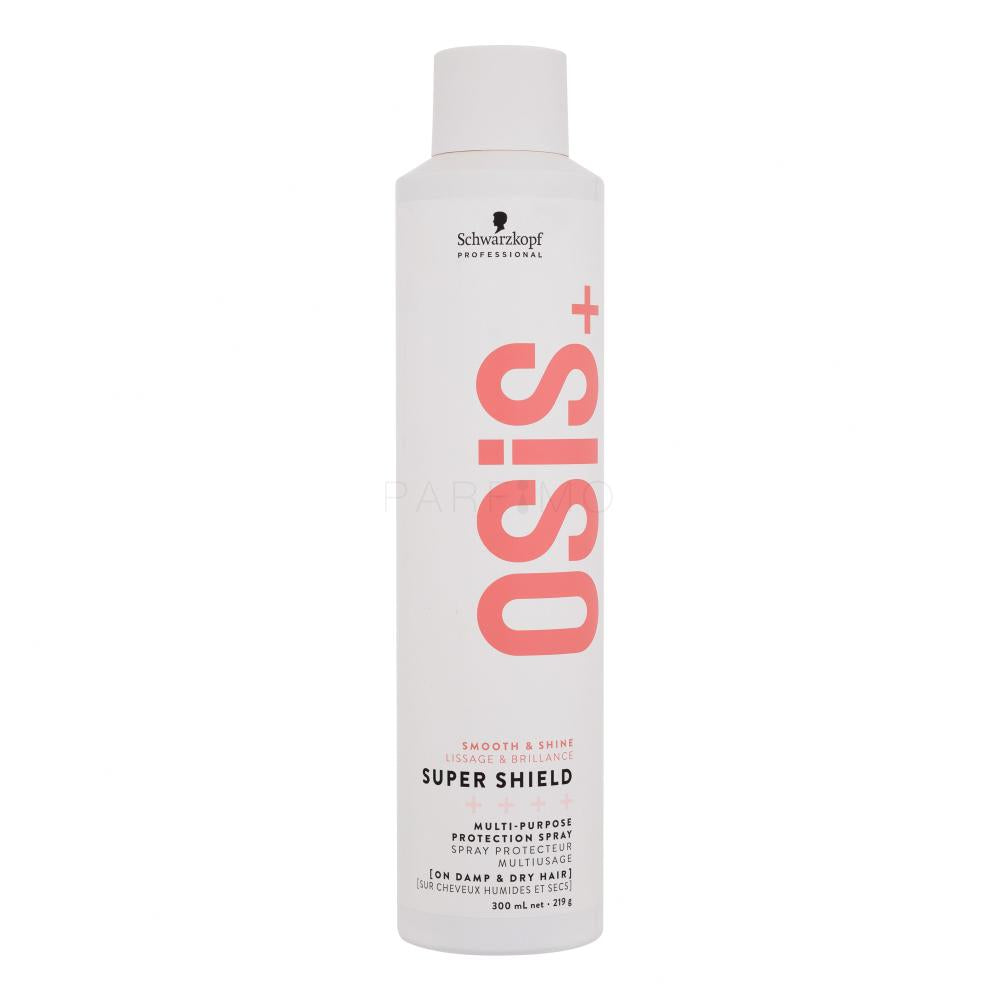
Vendor: SCHWARZKOPF
SCHWARZKOPF OSIS+ SUPERSHIELD MULTIPURPOSE PROTECTIVE SPRAY 300 ML


Vendor: TIGI
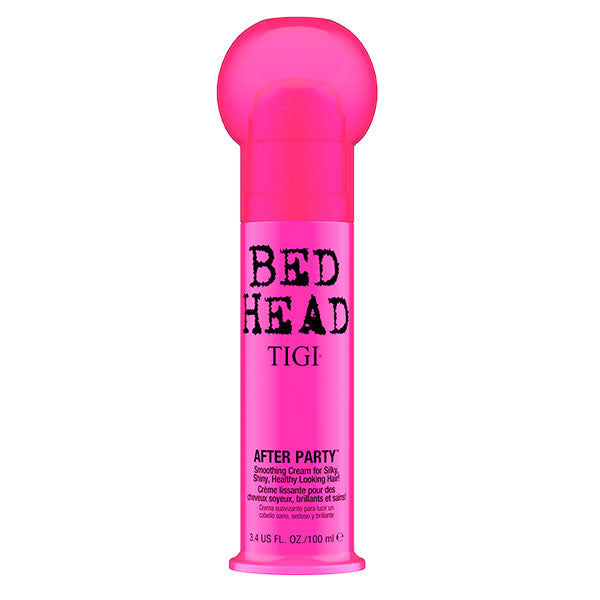
TIGI BED HEAD SOME LIKEIT HOT HEAT PROTECTION SPRAY 100 ML

Vendor: KOSTER
KOSTER HAIRVIVE BOOSTER RESTRUCTURING FOR DAMAGED HAIR 1000 ML
HEAT PROTECTANTS FOR HAIR
Heat protectants for hair: protection before blow-drying and straightening
A heat protectant is applied to the hair before using a blow-dryer, flat iron or curling iron. It forms a light film on the fibre that spreads the heat, slows the loss of water from keratin and limits split ends, dryness and colour fading. A blow-dryer works between 80 and 120 °C, a flat iron between 180 and 230 °C: without protection, the cuticle opens and the hair weakens with every pass.
Frequently asked questions about HEAT PROTECTANTS FOR HAIR
What is a heat protectant for hair?
It's a spray, cream, oil or serum that you apply before using a hairdryer, straighteners or curling tongs. It forms a thin film over the hair fibre that spreads out the heat and slows down the loss of water from the keratin, so hair dries out and breaks less.
Do I really need a heat protectant?
Yes, if you use heated styling tools. Straighteners work at between 180 and 230°C, and at these temperatures the cuticle opens up and colour fades much faster. With a heat protectant, the damage from each pass is reduced in a measurable way, especially on coloured, bleached or fine hair.
Which is better for heat protection: spray, cream or oil?
Spray is the lightest option and works well for fine or normal hair and everyday blow-drying. A cream or smoothing fluid tames thick, frizzy hair before straightening. Oil or serum nourishes dry hair and damaged ends, applied as a few drops through the lengths. For curly hair, there are pre-styling creams that define curls and protect them from the diffuser.
Up to what temperature does a heat protectant work?
Most professional products state protection up to 230°C, which is the maximum temperature reached by salon straighteners. Some serums state 220°C. This figure is printed on the packaging and in the product description.
Do you apply it to wet or dry hair?
On damp, towel-dried hair, before blow-drying. Before straightening, on already dry hair, you can go over it again with a small amount just where needed. It should always be spread through with a comb, avoiding the roots if your hair is fine.
Can I use a heat protectant every day?
Yes. Professional products are formulated for everyday blow-drying and won't leave a heavy residue if used in the right amount. Anyone styling their hair daily might prefer a spray, as it builds up less than oils and creams.
Is it suitable for coloured or bleached hair?
This is exactly the hair type that needs it most: heat speeds up colour fading, and bleaching leaves the hair fibre more fragile. Many professional heat protectants, such as those from Kérastase, L'Oréal Professionnel, Wella and Olaplex, are designed for treated hair and combine protection with nourishment.
What's the difference between a heat protectant and a hair oil?
A nourishing oil hydrates and adds shine, but not every oil is formulated to withstand heat. A heat-protecting oil contains film-forming agents tested at high temperatures, and states the protection temperature on the packaging. If the product description doesn't mention heat protection, it isn't a heat protectant.
Can I use a heat protectant together with Olaplex or a keratin treatment?
Yes, they work well together. Bond-repairing treatments work on the hair's internal bonds, while a heat protectant shields the surface during styling. Olaplex also has products that do both, such as the Bond Protector N.9 and the Bonding Oil N.7.
Which heat protectant is best for curly hair?
For curly hair, a pre-styling cream or fluid with heat protection is best, as it defines curls and protects them from the diffuser's heat without weighing them down. For wavy hair, a light spray is enough.
Our top brands: Fragrances, Hair, Make-Up, Skin Care
Take care of yourself
Pick up where you left off
They talk about us